


There are a wide variety of art paper textures available, made to suit all artist mediums and techniques. Here, we present the main choices and what media they are best suited to.
Usually, texture is created while the paper is being formed, and will impact upon how your drawing and painting media behaves as well as how it looks.
Ingres Paper Texture for Soft Pastel and Other Dry and Wet Drawing Media
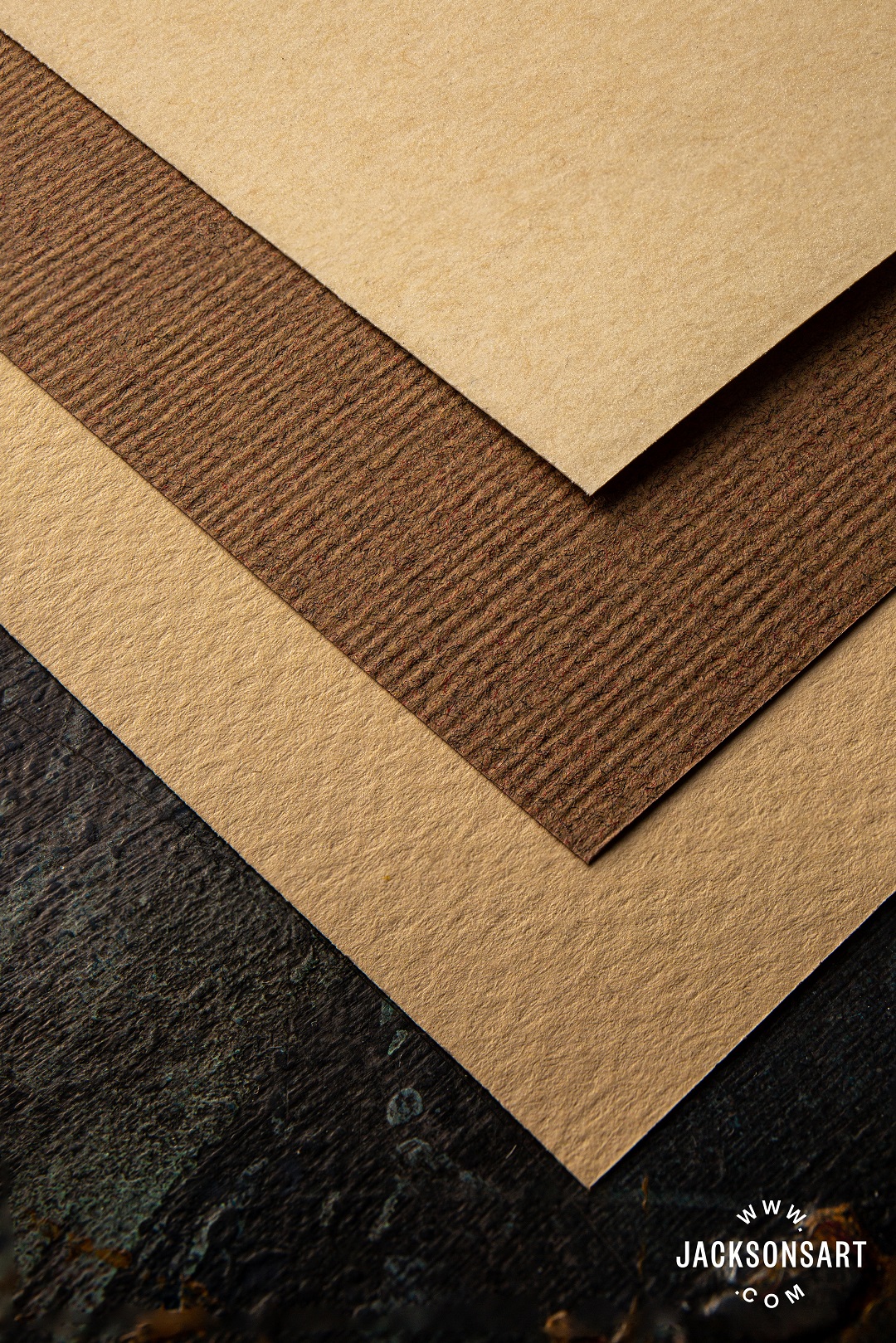
Chain and laid papers, like Ingres pastel papers and some drawing and printmaking papers, have a linear, sometimes grid-like, pattern in the surface. The pattern is best seen when the paper is held up to the light, similar to a watermark. This is created by forming the paper on a wire mesh which carries the chain and laid pattern. This creates lines where the paper fibres are thinner, leaving the impression of the wire mesh in the sheet. This texture is usually made more visible when drawing media is applied to its surface, as a greater amount will be deposited on the raised lines than on the recessed lines.
Hot Press, Cold Press and Rough Textures for Watercolour Paper
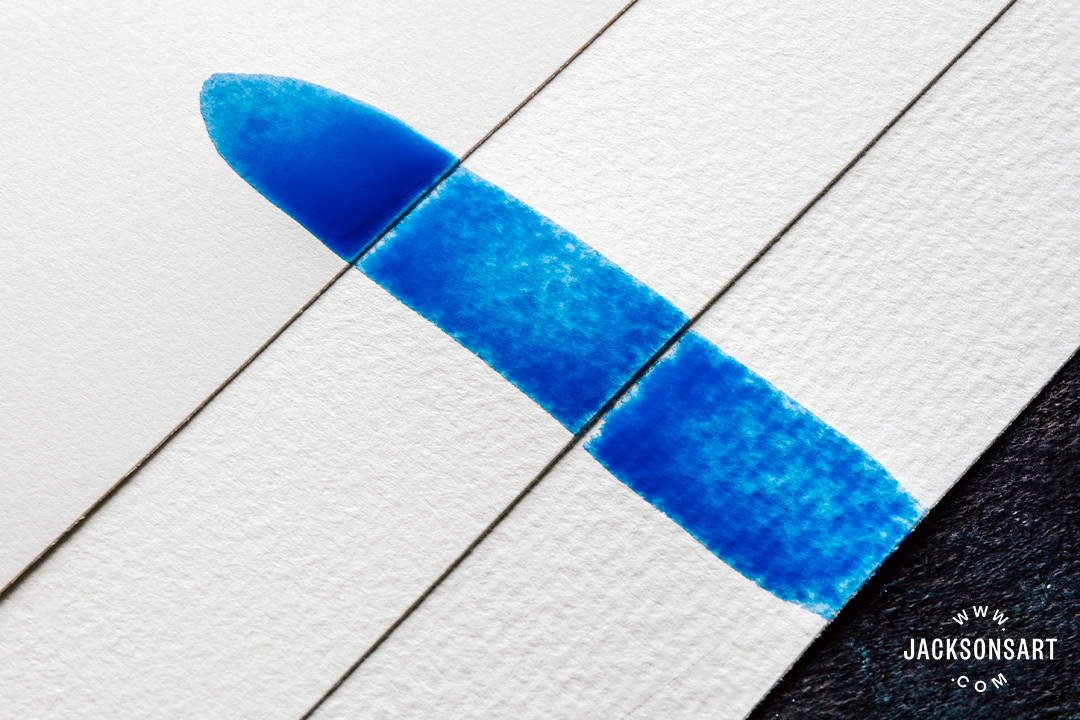
Most cylinder mould-made watercolour papers are textured using woollen felts, which give cold pressed (also known as NOT) and rough watercolour papers their distinctive natural-looking texture. Hot pressed cylinder mould-made watercolour papers are pressed between hot metal rollers, to give them the smooth surface that makes them suitable for highly detailed work. Handmade watercolour papers are also pressed between natural woollen felts. Because hot pressed paper is more compressed than NOT or rough paper it also tends to be less absorbent.
Oil and Acrylic Painting Paper Textures
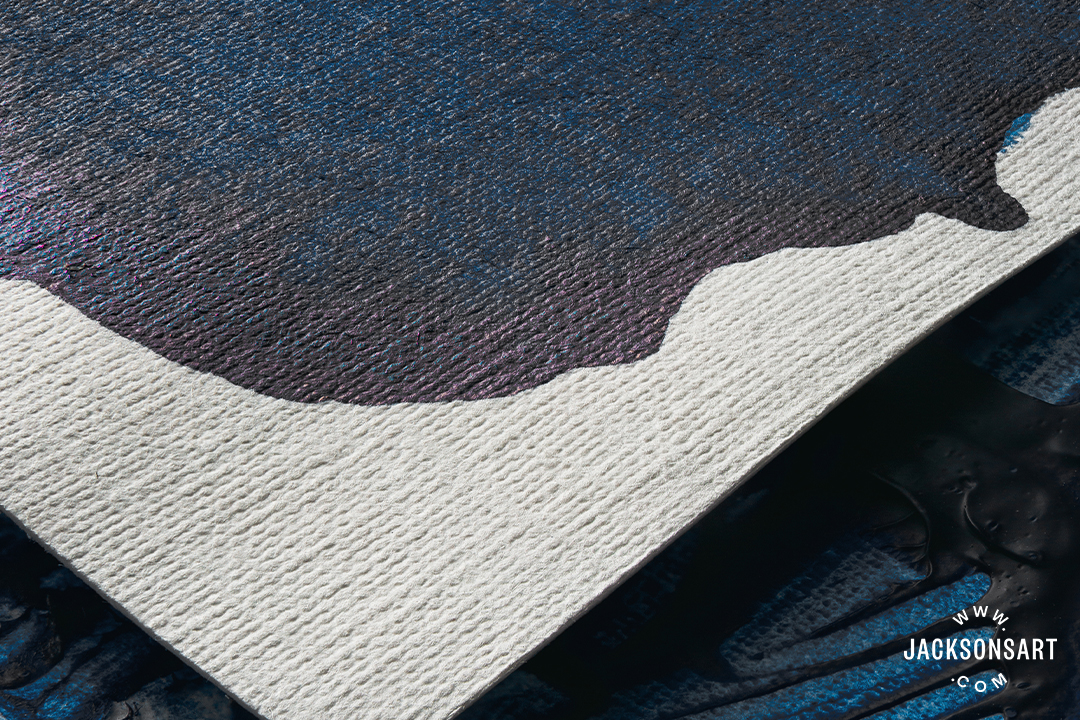
Some oil and acrylic papers are embossed with a canvas-like texture which is pressed into the paper while it is in a wet state. Those which do not have a canvas texture usually have a cold pressed watercolour paper texture. Acrylic papers tend to be very compressed, thinner, and less absorbent than watercolour papers, while oil papers are either coated or internally sized to minimise the risk of rings forming around oil paint brush marks applied to it.
Coated Papers for Pastel and Other Drawing Media
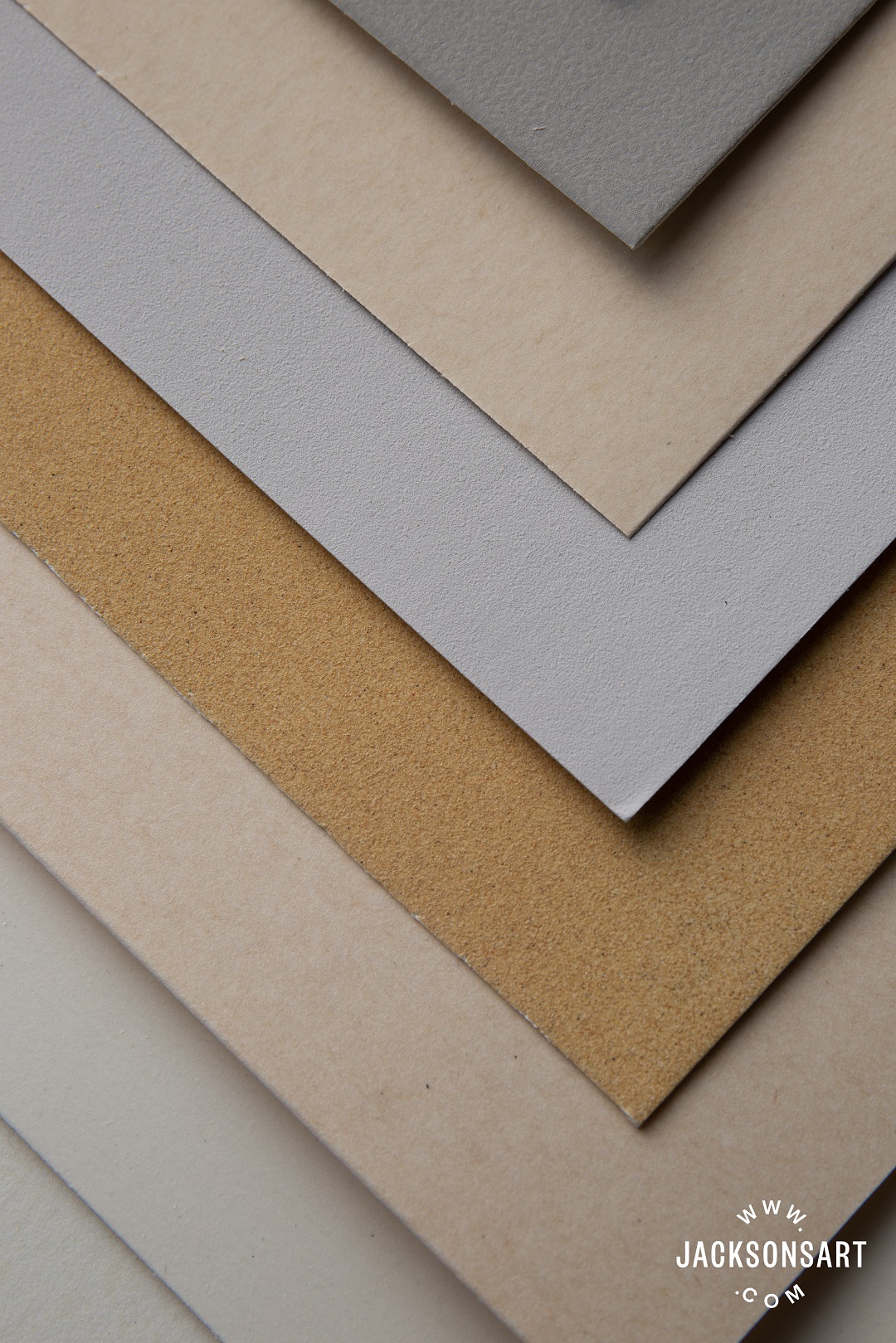
For some papers, a textured coating is added after the paper has been made. Sanded pastel papers, for example, are coated with a gritty abrasive to give them a rough tooth, suitable for holding multiple layers of soft pastel. How many layers of pastel colour a paper will be able to hold depends on the concentration and quality of microscopic fibres that will hold the colour to its surface. Further information can be found on this in the pastel papers section of the Paper Guide.
Synthetic Paper Textures for Wet and Dry Media
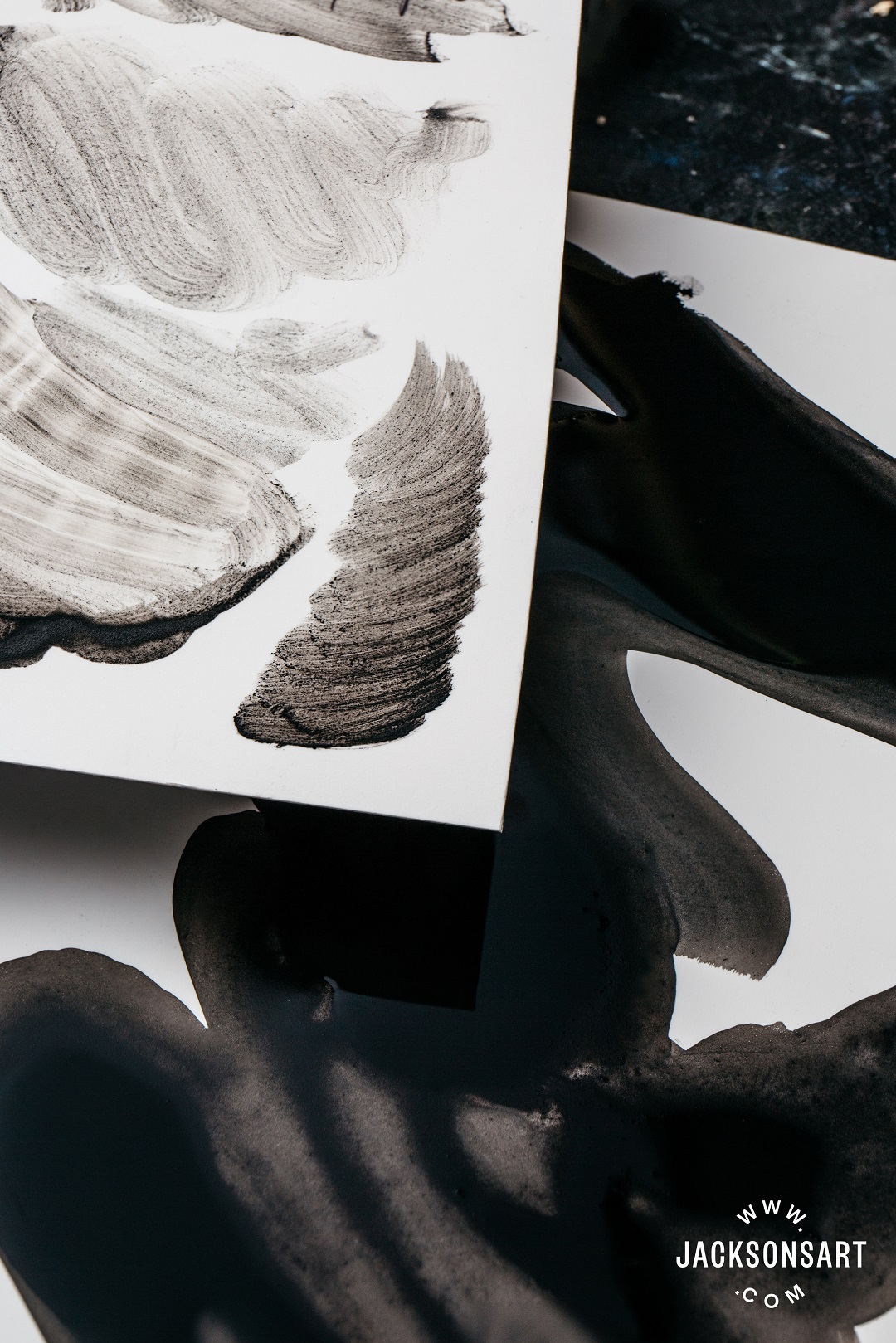
Synthetic papers such as Yupo have a completely smooth surface. There is no need to stretch, soak or prepare synthetic paper in any way before working as it is naturally buckle-free and remains perfectly flat. The smooth non-porous surface can be used with a combination of media, including watercolour, gouache, alcohol ink, acrylic paint, monotype, offset printing, debossing, oil pastel, graphite and silkscreen and crayon.